Lively Writing: A Playful Font for Authentic Connection
In a digital landscape often dominated by sterile sans serif fonts and predictable serif choices, finding a typeface that conveys genuine personality can feel like a search for a needle in a haystack. Designers and creators know the struggle: you need a font that feels human, approachable, and energetic without sacrificing the professional polish required for commercial work. This is where Lively Writing enters the conversation. It isn't just another handwritten script; it is a carefully crafted tool designed to bridge the gap between casual authenticity and high-end design. If you have been looking to inject a bit of soul into your visual content, understanding the nuances of this typeface could be the missing piece in your creative toolkit.
Visual Characteristics and Design DNA
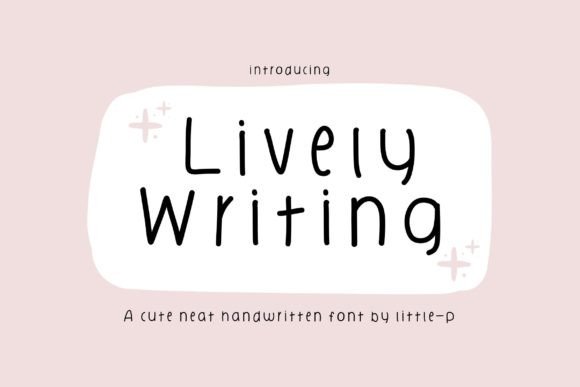
At its core, Lively Writing is a modern typography solution that balances spirited strokes with structural integrity. Unlike many script fonts that rely on exaggerated loops and illegible swashes, this typeface focuses on readability. The letterforms possess a distinct, rhythmic flow that mimics the natural movement of a felt-tip pen or a high-quality brush marker. The characters are not perfectly uniform, which is intentional; this slight irregularity is what gives the font its "lively" charm, preventing it from looking mechanical or cold.
The visual weight of the font is consistent, making it excellent for body copy in specific contexts, such as educational materials or digital planners. The spacing—both the tracking between letters and the line height—is optimized for screen viewing, a crucial feature for content creators working on web design or social media graphics. It strikes a delicate balance: it is decorative enough to catch the eye, yet grounded enough to be read in longer sentences. This versatility makes it a standout choice compared to overly complex display fonts that are limited to headlines.
Strategic Applications Across Industries
The true value of a creative font lies in its application. Lively Writing is not a one-trick pony; it adapts to various industries with surprising ease. For entrepreneurs and small business owners, this font can be a game-changer for branding. When used in logo design or packaging, it signals that a brand is approachable and customer-centric. Think of artisanal food packaging, boutique clothing tags, or the header of a lifestyle blog. The font tells the customer, "There is a human behind this business."
For marketers and content creators, the font solves the problem of "stopping the scroll." In the realm of social media graphics, a bold, handwritten style stands out against the rigid grid layouts of Instagram or Pinterest. It is particularly effective for:
- Digital Planners and GoodNotes: Its clean legibility makes it ideal for headers and tabs in digital planning templates.
- Greeting Cards and Quotes: It provides the emotional resonance needed for sentimental content without looking like a generic "Comic Sans" alternative.
- T-Shirts and Merchandise: The bold strokes hold up well in print, making it suitable for apparel design where you want to convey a fun, casual vibe.
Publishers and bloggers will also find Lively Writing useful for breaking up the monotony of standard editorial design. Using it for pull quotes or section headers can guide the reader's eye and inject personality into long-form content. It acts as a visual palate cleanser, offering a break from the dense blocks of text typically found in articles and reports.
Influence on Brand Perception and Readability
Typography is rarely just about aesthetics; it is about psychology. The fonts you choose act as non-verbal cues that influence how your audience perceives your brand identity. Using a rigid, geometric sans serif font might suggest efficiency and modernity, but it can also feel impersonal. By contrast, integrating Lively Writing into your design assets suggests warmth, creativity, and accessibility.
However, the choice of a handwritten font requires a strategic approach to visual hierarchy. You cannot simply replace all text with a script font and expect success. Lively Writing works best when paired correctly. It thrives alongside a clean, neutral sans serif font or a traditional serif font. For example, using Lively Writing for your main headline creates an emotional hook, while a sans serif body copy ensures the message remains easy to scan.
Readability is the non-negotiable metric here. While Lively Writing is designed for clarity, it is still a script font. It is not intended for fine print, legal disclaimers, or dense data tables. Its strength lies in short bursts of high-impact text. When used correctly, it enhances the reading experience by adding rhythm and pacing to the layout. It guides the viewer's emotional journey, making the content feel less like a lecture and more like a conversation.
Practical Guidance for Implementation
Adopting a new typeface into your workflow requires more than just downloading the file. To get the most out of Lively Writing, consider the following practical recommendations:
- Evaluate the Project Fit: Before applying the font, ask yourself about the tone of the project. Is it serious? Corporate? If yes, a handwritten font might undermine your authority. If the project requires empathy, fun, or creativity, this is your ideal choice.
- Test Font Pairings: Spend time experimenting with combinations. Try pairing Lively Writing with a geometric sans serif for a modern look, or with a classic serif for a vintage, editorial feel. The contrast between the organic handwriting and the structured type creates visual interest.
- Review Included Styles: Check if the font family includes alternates or ligatures. Many premium fonts include stylistic sets that allow you to swap out specific letters to avoid repetition. This is vital for logo design, where you want the text to look unique and hand-crafted.
- Check Commercial Licensing: If you are a business owner or agency, ensure you have the correct commercial license. Using a font for a client’s logo or a physical product (like T-shirts or mugs) often requires a specific tier of licensing compared to personal use.
Conclusion: Elevating the Everyday
Ultimately, Lively Writing is more than just a collection of vector paths; it is a tool for connection. In an era where consumers are bombarded with polished, often impersonal content, a touch of humanity can make a significant difference. Whether you are designing a digital planner for a niche audience, crafting a social media campaign, or refreshing a brand's packaging, this font offers a way to be professional without being stiff.
By incorporating this typeface into your library, you are equipping yourself with a versatile asset capable of transforming mundane tasks into lively expressions of creativity. It reminds us that design doesn't always have to be serious to be effective. Sometimes, the best way to capture attention is simply to write it down by hand.