Candy: The Cool, Thick Script Font for Playful Designs
Finding a typeface that captures pure joy without sacrificing quality can be a challenge. Many designers default to standard sans serifs for cleanliness or classic serifs for authority, but sometimes a project demands a voice that is inherently friendly, warm, and full of personality. This is where Candy enters the conversation. It is not just another script font; it is a carefully crafted display typeface designed to bring a refreshing and beautiful look to a wide variety of creative work. With its thick strokes and cool, natural style, Candy offers a unique aesthetic that bridges the gap between playful charm and professional polish.
Visual Characteristics and Personality
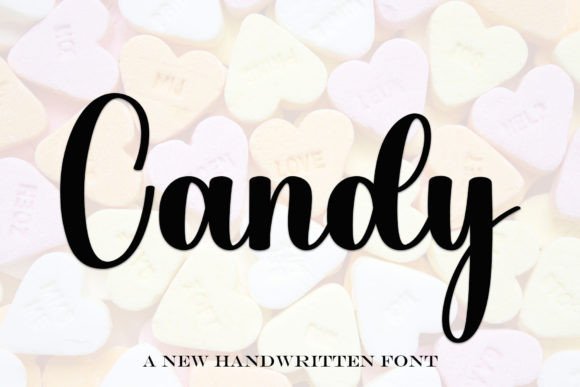
At its core, Candy is defined by its weight and flow. Unlike thin, delicate scripts that can sometimes feel fragile or difficult to read on screens, this typeface features a thick script structure. This robustness gives it a strong presence on the page or screen, ensuring that your message doesn’t get lost in the background noise. The letterforms are designed to mimic natural handwriting, avoiding the rigid, mechanical look of some digital fonts. This organic quality is what gives Candy its "cool" factor—it feels approachable and human.
The visual personality of Candy leans toward the whimsical and the energetic. It is a premium font that balances modern trends with timeless appeal. You won't find harsh angles here; instead, the curves are smooth and inviting. This makes it an excellent choice for projects where you want to evoke a specific emotion—happiness, nostalgia, or excitement. It functions beautifully as a display font, meaning it is intended to be used for headlines, logos, and short bursts of text where visual impact is the priority. When you look at Candy, you immediately understand that it is a creative font built for fun, but with the technical precision required for high-end design assets.
Where Candy Shines: Practical Applications
Understanding a font’s personality is one thing, but knowing exactly where to deploy it is where the real value lies. Candy is incredibly versatile, fitting into a surprisingly large pool of designs. Its utility spans across digital and print media, making it a valuable addition to any designer’s toolkit.
Branding and Logo Design
For logo design, particularly for brands targeting families, children, or the food industry, Candy is a strong contender. Imagine a bakery, a boutique toy store, or a children’s clothing line. The thick, friendly strokes of this script font communicate warmth and reliability. Because it is a handwritten font with a distinct style, it helps brands stand out from the corporate crowd. It tells the customer that the brand is approachable and cares about the details. When used for a wordmark, Candy creates a cohesive brand identity that feels personal and curated.
Packaging and Editorial Design
In packaging design, readability and shelf appeal are paramount. Candy excels here because of its thick weight. It pops off the label, making it ideal for product names or "flavor of the month" tags. Whether you are designing for candy wrappers (a fitting match), snack bags, or craft supplies, the font adds an instant layer of excitement. Similarly, in editorial design, such as magazine headers or blog post graphics, Candy can break up the monotony of standard text. It adds a visual pause that draws the reader in, making the content feel more like a lifestyle piece than a dry report.
Digital Media and Social Graphics
The digital landscape is crowded, and attention spans are short. This is where a modern typography choice like Candy becomes a secret weapon for social media managers and content creators. On platforms like Instagram or Pinterest, where visual hierarchy is key, a bold script font stops the scroll. It works wonderfully for social media graphics, particularly for quotes, sale announcements, or headers in video content. The "cool" factor of the font aligns well with current digital trends, making it feel relevant and fresh without being overly trendy in a way that will age poorly.
Strategic Impact: Readability, Hierarchy, and Engagement
Choosing a font is never just about aesthetics; it is a strategic decision that influences how an audience perceives and interacts with content. Using Candy effectively can significantly improve your design's performance.
Visual Hierarchy: In design, hierarchy guides the viewer's eye from the most important element to the least. Because Candy is a display typeface, it naturally sits at the top of this hierarchy. Pairing it with a clean sans serif font or a traditional serif font creates a pleasing contrast. For example, using Candy for a main headline and a sans serif like Montserrat or Open Sans for the body text creates a dynamic layout. The script adds personality, while the sans serif ensures the longer text remains legible. This font pairing strategy is essential for professional web design and print layouts.
Brand Perception: Typography signals quality. A poorly chosen or low-quality font can make a brand look amateurish. Because Candy is designed with smooth curves and consistent spacing, it signals professionalism. It tells the audience that the creator cares about quality design assets. It strikes a balance between being a commercial font suitable for business and a creative font that feels bespoke.
Audience Engagement: For the target audience of adults aged 20 to 50—including marketers, entrepreneurs, and hobbyists—engagement is often about trust and relatability. Candy’s natural style feels less "corporate" and more "human." This can lower the barrier between a brand and its customers. When used in web design for call-to-action buttons or hero sections, it can soften the ask, making the user feel more comfortable engaging with the content.
Practical Guidance for Implementation
If you are considering adding Candy to your design workflow, there are a few practical considerations to keep in mind to ensure the best results.
- Evaluating Project Fit: Be honest about the tone of your project. Candy is perfect for children's games, cartoons, casual branding, and lifestyle content. It is likely not the right fit for a law firm, a heavy industrial manufacturer, or a serious financial institution. Context is everything in typography.
- Testing and Pairing: Never use a font in isolation. Download a trial or view the specimen sheet to see how Candy interacts with other fonts. Look for a sans serif font that has a similar x-height or weight to create balance. Avoid pairing it with other overly decorative scripts, as this will create visual chaos.
- Licensing and Styles: Always review the licensing terms. Since Candy is a commercial font, ensure your license covers your intended use, whether it is for a single client project or for print-on-demand merchandise. Also, check if the font family includes multiple weights or styles (like a bold or italic version) to give you more flexibility in your layouts.
- Readability Checks: Because it is a thick script, be mindful of small sizes. Test the font at the size it will be viewed. If it becomes a blob of ink at 12pt, restrict it to headers and large logos. Ensure there is enough contrast between the text color and the background to maintain clarity.
A Refreshing Addition to the Toolkit
Candy is more than just a collection of letters; it is a design asset that brings a specific flavor to the table. Its ability to be both cool and thick, natural and unique, makes it a versatile player in the world of modern typography. For designers, marketers, and creators looking to inject a bit of life and warmth into their work—whether for a children's game, a new product launch, or a vibrant social media campaign—Candy offers a reliable and beautiful solution. It proves that a font can be functional, professional, and undeniably fun all at once.