Bringing Rustic Elegance to Your Designs with Naturefarm
There’s a particular kind of charm in typefaces that feel like they have a story to tell. The Naturefarm slab serif font is one of those. It doesn’t just sit on a page; it evokes a sense of place—a sun-drenched farmhouse table, a well-worn typewriter key, the simple beauty of handcrafted goods. This isn’t about fleeting trends. It’s about creating a visual language that feels authentic, warm, and grounded. For designers, entrepreneurs, and creators looking to inject that genuine, rustic character into their work, understanding how to use a premium font like this effectively is key.
The Visual Character: More Than Just a Slab Serif
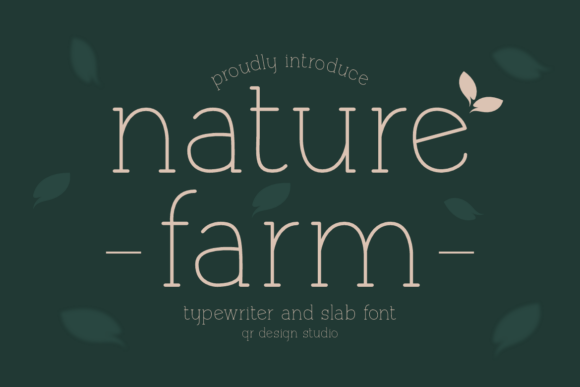
At its core, Naturefarm is a slab serif font, but its personality is distinctly its own. Where some slab serifs feel industrial or heavy, this typeface draws inspiration from vintage typewriters and the soft imperfections of rustic living. The serifs are present but delicate, offering structure without harshness. You’ll notice soft, rounded curves in the letterforms, which soften the overall appearance and contribute to its approachable, organic feel. This combination gives it a unique place in modern typography: it carries the reliability of a serif with the warmth of a hand-drawn quality.
This creative font works beautifully as a display font, commanding attention in headlines and logos without overwhelming the viewer. Its inherent readability also makes it suitable for shorter blocks of text, like pull quotes, product descriptions, or introductory paragraphs. Think of it as the typographic equivalent of a well-loved linen shirt—structured yet comfortable, classic yet relaxed. It’s a typeface that suggests a brand has a story, a commitment to quality, and a connection to something more tangible than the digital world.
Where This Typeface Truly Shines: Practical Applications
The true test of any design asset is its versatility. Naturefarm finds its sweet spot in projects that aim for authenticity and a connection to nature, craftsmanship, or heritage. It’s not trying to be a sleek, futuristic font; it excels in environments where a human touch is valued.
- Branding & Logo Design: It’s a natural fit for logo design in the eco-friendly, organic, farm-to-table, or artisanal space. A logo set in Naturefarm immediately communicates a brand’s values—sustainability, craftsmanship, and honesty. It pairs wonderfully with a clean sans serif font for body text, creating a balanced and professional brand identity.
- Packaging & Labels: This is where the font’s charm is undeniable. For packaging design on products like coffee, granola, handmade soaps, or gourmet preserves, it adds instant shelf appeal. The nostalgic simplicity makes labels feel trustworthy and premium, connecting with consumers on an emotional level.
- Editorial & Blog Design: For editorial design, especially in magazines, cookbooks, or blogs focused on gardening, home decor, or slow living, Naturefarm adds warmth and personality. Use it for chapter titles, section headers, or featured quotes to break the monotony of standard body copy and guide the reader’s eye.
- Digital & Web Design: In web design, it can be used strategically for major headings, hero text, or call-to-action buttons to inject character. Its personality also makes it a standout choice for social media graphics, helping a brand’s feed feel cohesive and distinctive in a crowded digital space.
- Print & Personal Projects: Beyond commercial use, it’s a joy for personal projects. Think wedding invitations with a rustic theme, personalized stationery, or custom art prints. It brings a handwritten font’s intimacy with the legibility of a designed typeface.
Making It Work: Font Pairings and Readability
A creative font is only as good as its context. To use Naturefarm effectively, consider its role within your overall typographic hierarchy. As a display font, it’s your star for headlines and key messaging. For longer body copy, you’ll want to pair it with a highly readable sans serif font or a simpler serif. This contrast ensures visual interest without sacrificing legibility.
When testing font pairing, look for companions that share a similar x-height or visual weight but differ in style. A geometric sans serif like Montserrat or a humanist sans serif like Lato can provide a clean, modern counterpoint. For a more cohesive, all-serif look, pair it with a lighter, more traditional serif like Lora or Source Serif Pro for body text. Always test your combinations in context—view them on screen and in print at the sizes you intend to use.
A Note on Licensing and Final Considerations
Before integrating any commercial font into a project, especially for client work, it’s crucial to understand the licensing. Naturefarm, as a premium font, will come with a license that outlines permitted uses. Ensure the license covers your intended applications, whether it’s for a single logo, a full brand system, or products for sale. Reviewing the included styles—such as bold, italic, or condensed versions—is also practical, as they expand your creative toolkit and help maintain consistency across different media.
Ultimately, choosing a font like Naturefarm