Anabella: Elevate Your Design with Gothic Elegance
When you're building a brand or crafting a piece of print media, the typography choice often speaks louder than the words themselves. It sets the mood before a single sentence is read. If you are looking for a typeface that balances historical weight with high-end sophistication, you might find your solution in Anabella. This beautiful blackletter Gothic font is more than just a retro throwback; it is a carefully designed asset intended to bring nuance and style to modern projects. Whether you are a designer working on a luxury logotype or a small business owner creating distinct packaging, understanding how to wield this specific style of typeface can transform your work from standard to striking.
The Visual Character of Anabella
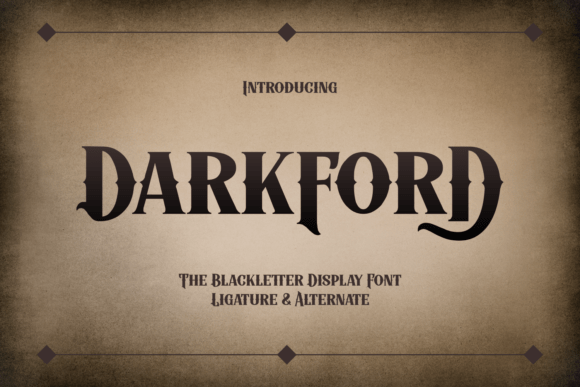
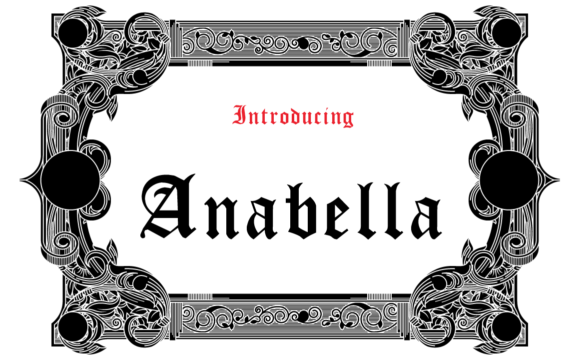
Blackletter typography, historically associated with manuscripts and early European printing, can sometimes feel heavy or illegible in contemporary contexts. However, Anabella reinterprets this classic genre for the modern designer. It retains the essential "bones" of Gothic letterforms—the high contrast between thick and thin strokes, the condensed structure, and the decorative nature of the serifs—but polishes them for today’s aesthetic demands.
The personality of this font is undeniably bold. It exudes a sense of tradition, mystery, and exclusivity. When you look at the letterforms, you see a distinct rhythm that feels almost like woven textile or intricate metalwork. This makes it a premium font choice for projects where you want to communicate heritage, craftsmanship, or a dark, romantic atmosphere. Unlike a standard serif font that might feel academic or a sans serif font that feels corporate, Anabella occupies a unique space: it feels artisanal and bespoke.
Strategic Applications: Where Anabella Shines
Knowing a font looks nice is one thing; knowing where to apply it is the real skill. Because of its ornate nature, Anabella is best classified as a display font. This means it is designed for impact at larger sizes, such as headlines, titles, and headers, rather than long-form body copy.
Branding and Logo Design
The most natural home for a font like Anabella is in logo design. If you are developing a brand identity for a luxury product, a high-end barbershop, a craft brewery, a metal band, or a boutique fashion label, this typeface provides an instant visual signature. It allows you to create a logotype that feels established and authoritative. For example, a coffee roaster might use Anabella to evoke old-world roasting techniques, while a streetwear brand might use it to tap into the "goth-ninja" aesthetic popular in modern fashion.
Editorial and Packaging
In editorial design, such as magazine covers or book jackets, Anabella can serve as a powerful headline grabber. It works exceptionally well for genres like fantasy, thriller, or historical fiction. Similarly, in packaging design, the font’s intricate details can mimic the look of embossing or foil stamping, even when printed flat. It adds texture to the visual field, making the product feel more tangible and valuable on the shelf.
Digital Presence and Social Media
While web design usually relies on legible sans serifs for body text, Anabella can be a game-changer for hero sections or landing page headers. In the realm of social media graphics, where attention spans are short, a distinctive display typeface helps stop the scroll. It is particularly effective for Instagram quotes, YouTube thumbnails, or event posters where you need to convey a specific mood—be it elegance, rebellion, or mystery—in a split second.
Mastering Typography: Pairing and Hierarchy
Using a blackletter font effectively requires a bit of restraint and a lot of contrast. Because Anabella is so stylistic, it should rarely be used for everything. If you use it for both the headline and the body text, the design will likely become cluttered and difficult to read.
Effective Font Pairing
The key to a successful font pairing is finding a partner that complements without competing. Since Anabella is a Gothic font with high detail, it pairs beautifully with clean, geometric sans serifs or simple, sturdy serifs.
- With Sans Serifs: Pairing Anabella with a clean, modern sans serif (like Montserrat or Helvetica) creates a "High/Low" contrast. The sans serif grounds the design and ensures readability for body text, while Anabella provides the artistic flair for headers.
- With Serifs: If you want a more traditional, "old library" vibe, pair it with a transitional serif font. This works well for wedding invitations or formal certificates.
Avoid pairing it with other script fonts or handwritten fonts, as this usually results in visual chaos where the eye doesn't know where to land.
Visual Hierarchy and Readability
In modern typography, hierarchy is about guiding the reader's eye. Use Anabella for the H1 or the main focal point. Use a lighter, simpler font for the sub-headers, and a highly legible font for the paragraph text. This structure ensures that you get the visual hierarchy benefits of the Gothic style without sacrificing the readability of your message.
Practical Guide to Implementation
Before you commit to using Anabella in your next project, there are a few practical considerations to ensure a smooth workflow and a professional result.
Testing and Evaluation
Always test the font in context. A typeface that looks great on a white background in your font manager might look completely different on a textured background in packaging design. Check how the specific letters of your brand name connect or interact. In blackletter fonts, kerning (the space between letters) is crucial. Sometimes the flourishes of one letter can clash with the next, so manual adjustment is often required.
Licensing and Usage
Because Anabella is a premium font, it comes with specific licensing terms. If you are a freelancer or a business owner, ensure you understand the difference between desktop licensing (for logos and print) and web licensing (for web design via @font-face). If you are using it for merchandise (t-shirts, mugs), you typically need an expanded commercial license. Always read the EULA (End User License Agreement) provided with your design assets.
Accessibility Considerations
It is important to acknowledge that blackletter styles can pose challenges for accessibility. They are not recommended for users with dyslexia or visual impairments due to their complex shapes. Therefore, use Anabella for decorative purposes and headlines, but always ensure your core content is available in a highly accessible font. This approach respects your audience while still allowing you to use creative fonts for stylistic expression.
Conclusion
Anabella is a versatile and stylish tool in the designer's arsenal. It bridges the gap between the historical weight of Gothic calligraphy and the clean demands of contemporary design. By using it strategically for logos, headlines, and social media graphics, and by pairing it with legible sans serifs, you can add a layer of sophistication and nuance to your work that standard fonts simply cannot achieve. Whether you are building a brand identity from scratch or refreshing an existing look, this typeface offers a distinct voice that is both bold and beautiful.