Apricot and Peach Jam: A Font Duo for Authentic Creative Projects
There’s a specific warmth that comes with a truly handmade touch. In a digital world full of crisp lines and perfect geometry, the **Apricot and Peach Jam** font duo offers a refreshing return to authenticity. This isn't just another script font; it’s a carefully crafted set of typefaces designed to inject personality, warmth, and a genuine human feel into your work. For designers, entrepreneurs, and creators looking to bridge the gap between digital precision and handcrafted charm, this typeface is a valuable addition to your toolkit.
The Anatomy of Authenticity
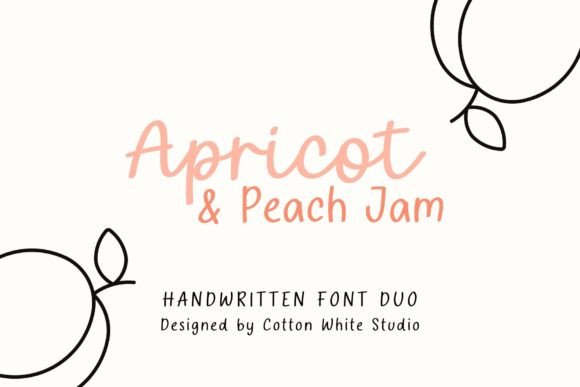
At its core, **Apricot and Peach Jam** is a paired set. You get a flowing, connected script font that mimics the natural movement of a brush or pen, paired with a complementary all-caps sans serif. The script carries the personality—it’s loose, organic, and full of subtle imperfections that give it life. The sans serif grounds it, providing clarity and balance for supporting text. Together, they create a harmonious dialogue that feels both intentional and effortless.
The visual appeal lies in its versatility. The script isn't overly formal or too casual; it sits in a sweet spot that works for a wide range of applications. Its letterforms have a natural bounce and flow, avoiding the rigid uniformity that can make digital fonts feel cold. This makes **Apricot and Peach Jam** an excellent choice for projects where you want to convey approachability, creativity, and a personal touch without sacrificing professionalism.
Where This Handwritten Font Duo Truly Shines
The real value of a creative font like this is measured by its application. It’s not just about looking nice; it’s about solving specific design challenges and enhancing communication. Here’s where **Apricot and Peach Jam** proves its worth across different domains.
For brand identity and logo design, the font duo can instantly set a brand’s tone. Imagine it used for a boutique bakery, a artisanal skincare line, or a cozy coffee shop. The script works beautifully for the main logo mark, while the sans serif handles the tagline or secondary information. This combination creates a cohesive and memorable visual identity that feels bespoke and trustworthy.
In packaging design, it’s a powerhouse. The handwritten style is perfect for product labels, especially for goods that emphasize natural ingredients, small-batch production, or artisanal quality. It communicates care and attention to detail, which can influence a customer’s perception of the product inside. The legibility of the accompanying sans serif ensures that essential information like ingredients or instructions remains clear.
For editorial design and publishing, such as in magazines, lookbooks, or picture books, this typeface can add a layer of narrative warmth. Use the script for pull quotes, chapter titles, or author names to create visual interest and break up the monotony of body text set in a standard serif or sans serif. It guides the reader’s eye and adds a personal voice to the layout.
Digital creators will find it invaluable for social media graphics and web design. A bold quote graphic using the script font can stop the scroll. For a website, it can be used strategically for headings or call-to-action buttons to draw attention and create a friendly, engaging user experience. It’s particularly effective for blogs, online course materials, and e-commerce sites targeting creative audiences.
Beyond commercial use, it’s a fantastic resource for personal projects and crafts. Create stunning greeting cards, design custom digital planner stickers, or add a unique touch to tea towels, apparel, mugs, and posters. The commercial license often included with such a premium font allows small business owners to use it confidently on physical products for sale, from baby clothing to home décor.
Making It Work: Practical Guidance for Designers and Creators
Choosing a font is a strategic decision. Here’s how to evaluate and implement **Apricot and Peach Jam** effectively.
Evaluating Project Fit: First, consider your audience and message. This font duo excels in contexts that value friendliness, creativity, and approachability. It might be less suitable for a corporate law firm’s annual report, but perfect for a yoga studio’s marketing materials. Always test it in the context of your overall design—does it support the story you’re trying to tell?
Mastering Font Pairing: While the duo is designed to work together, you’ll often need a third font for body copy. Pair it with a clean, highly legible serif font for a classic, editorial feel, or a neutral sans serif font for a more modern, minimalist look. The key is contrast. Let **Apricot and Peach Jam** be the star for headlines and accents, and use a simpler typeface for paragraphs to ensure readability.
Understanding the Styles: A good font duo will include multiple styles. Look for alternates, ligatures, and swashes within the script font. These are crucial for creating a truly custom, handwritten look by avoiding repetitive letter shapes. The sans serif should include a full uppercase set and numerals. Using these features thoughtfully elevates your design from using a font to crafting typography.
Prioritizing Readability: The ornamental nature of script fonts means they are best used at larger sizes. Avoid setting long sentences or small body text in the script. Its primary role is for display purposes: headlines, logos, short quotes, and callouts. Always print a test or view a mock-up at the intended size to check for legibility, especially with complex letter combinations.
Licensing and Commercial Use: If you plan to use the font for client work or on products for sale, ensure you have the correct commercial license. Reputable font designers and marketplaces will clearly outline usage rights. Investing in a properly licensed font protects you legally and supports the independent creators who make these design assets possible.
In the end, a typeface like **Apricot and Peach Jam** is more than just a collection of glyphs. It’s a tool for storytelling. It helps brands connect on a human level, allows designers to break away from sterility, and gives crafters a professional yet personal means of expression. By understanding its strengths and applying it with intention, you can leverage its unique charm to create work that resonates, engages, and feels genuinely authentic.