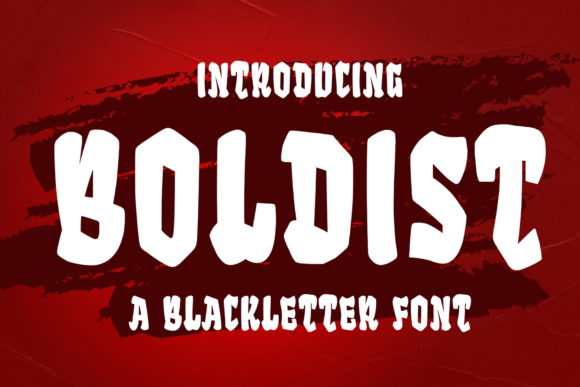
Boldist: A Creative Font with Cartoon Character and Impact
Every designer hits that wall eventually. You’re working on a logo for a local brewery, a poster for a community event, or maybe a header for a gaming channel, and the standard sans serif fonts just aren’t cutting it. They feel too corporate, too sterile, or simply too forgettable. You need type that has a pulse—something that feels handmade but polished, bold but friendly. This is exactly the space where Boldist lives. It isn’t just another thick-lettered typeface; it is a premium font designed to bring a specific, high-energy vibe to your projects. If you are looking to inject some authenticity and fun into your work without sacrificing legibility, understanding the nuances of this display font is the first step toward better design.
The Visual Personality of Boldist
At first glance, Boldist commands attention. The defining feature is its structure: thick, heavy strokes that form cartoon-like shapes. However, unlike many novelty fonts that lean too far into childish territory, Boldist maintains a level of sophistication. The letterforms are rounded and geometric, creating a sense of approachability and warmth. This isn't a rigid serif font meant for body text in a law journal, nor is it a delicate script font for wedding invitations. It is a powerhouse typeface built for impact.
The "authentic" quality comes from the subtle imperfections and the weight distribution. It feels grounded and stable. When you look at the negative space—the empty areas inside the letters like 'O', 'P', or 'B'—you’ll notice they are carefully balanced to ensure the letters don’t become blobby or unreadable at a distance. This attention to detail is what separates a professional creative font from a generic free download. It captures a retro-modern aesthetic, bridging the gap between vintage signage and contemporary modern typography. Whether you are designing for a physical product or a digital interface, the personality of Boldist suggests confidence, creativity, and a welcoming attitude.
Where Boldist Truly Shines: Practical Applications
Knowing a font looks good is one thing; knowing where to use it effectively is another. Because Boldist is a display font, its primary role is to grab attention. It is not designed for long paragraphs of text (for that, you would typically pair it with a readable sans serif font). Instead, it excels in high-impact scenarios.
Branding and Logo Design
For entrepreneurs and small business owners, your logo is your handshake. If you run a skate shop, a coffee roastery, a podcast, or a creative agency, Boldist offers a distinct voice. In logo design, the goal is immediate recognition. The thick strokes of this font ensure visibility even when the logo is scaled down for a favicon or a social media profile picture. It helps build a brand identity that feels energetic and established. Because it avoids the coldness of corporate typefaces, it builds instant rapport with customers looking for authenticity.
Editorial and Digital Layouts
In editorial design and web design, visual hierarchy is everything. You need to guide the reader’s eye from the headline to the sub-header and finally to the body copy. Boldist is a strong candidate for magazine covers, blog post titles, and website hero sections. Its bold nature makes it perfect for breaking up the monotony of text-heavy pages. If you are a publisher or a blogger, using this font for pull quotes or chapter titles can significantly increase engagement, encouraging readers to stop scrolling and start reading.
Packaging and Physical Media
Physical products require fonts that work in the real world, not just on a screen. Boldist is incredibly versatile for packaging design. Imagine a hot sauce label, a craft beer can, or a box of artisanal snacks. The "thick lettered" style mimics the look of screen printing or embossing, adding a tactile quality to the design even in a flat digital mockup. It is also an excellent choice for t-shirts, letterhead, signage, labels, and badges. The high contrast ensures that text remains legible on busy backgrounds, which is a common challenge in merchandise design.
Social Media and Marketing
The digital landscape is noisy. On platforms like Instagram, TikTok, or Pinterest, you have milliseconds to capture a user's attention. Social media graphics utilizing Boldist tend to pop off the screen. Whether it’s a "Swipe Up" call to action, a promotional banner, or a YouTube thumbnail, the font’s cartoon-like appeal creates a friendly urgency. It suggests that the content is accessible and entertaining, which is a psychological trigger for higher click-through rates.
Strategic Implementation: How to Use Boldist Effectively
Having a premium font in your library is only useful if you know how to deploy it. Here is some practical guidance on integrating Boldist into your workflow to maximize its potential.
Mastering Font Pairing
The most common mistake with heavy, stylistic fonts is pairing them with the wrong partner. Because Boldist has a strong personality, it needs a "quiet" partner to balance it out. If you pair it with another decorative font, the design will look chaotic and unreadable.
- The Classic Combination: Pair Boldist (for headings) with a clean, geometric sans serif font (for body text). Fonts like Montserrat, Open Sans, or Lato work well here. The neutrality of the sans serif allows Boldist to be the star of the show without overwhelming the viewer.
- The Editorial Vibe: For a more sophisticated look, try pairing it with a modern serif font. The contrast between the thick, rounded display font and the sharp, traditional serifs creates a dynamic tension that feels very editorial and high-fashion.
- The Whimsical Touch: If you are going for a very casual, scrapbook aesthetic, you can occasionally pair it with a light handwritten font, but be careful—ensure the handwritten font is thin and airy to contrast with the weight of Boldist.
Evaluating Readability and Hierarchy
While Boldist is legible for headlines, you must respect the rules of visual hierarchy. Use it for short bursts of text: titles, sub-headers, buttons, and logos. Avoid using it for captions or legal disclaimers where font size needs to be small. At very small sizes, the thick strokes of a display font can bleed together, turning your text into a gray blob. Always test your design at the intended output size. If you are designing a poster, print it out at 50% size to see if the headline holds up. If you are designing for mobile, check it on a small phone screen to ensure the kerning (space between letters) doesn't cause the letters to touch.
Licensing and Usage Rights
As a professional, respecting copyright is non-negotiable. Boldist is a commercial font, meaning it is a professional design asset protected by licensing laws. Before using it in a client project, merchandise for sale, or a massive ad campaign, ensure you have the correct license. Most premium font licenses cover standard desktop usage (logos, print), but if you plan to use it in a mobile app or a high-traffic website with @font-face embedding, you may need an extended web license. Always read the EULA (End User License Agreement) provided by the foundry. This protects you legally and ensures the type designers are compensated for their craft.
Conclusion
In a world of minimalist, interchangeable typefaces, Boldist offers a refreshing dose of character. It bridges the gap between playful illustration and serious modern typography. Whether you are a marketer looking to boost conversion on a landing page, a crafter designing custom merchandise, or a brand strategist building a new identity from the ground up, this font provides the visual weight and personality needed to stand out. It is a versatile tool that, when used with intention, can transform a standard layout into something memorable and engaging. By focusing on smart font pairing and respecting readability, you can leverage Boldist to create designs that are not just seen, but felt.