Mioshe: The Serif Font That Flows with Creative Elegance
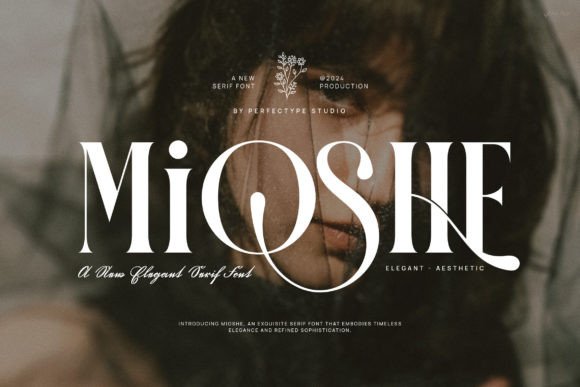
There's a particular kind of typeface that stops you mid-scroll. It doesn't shout for attention—it draws you in through rhythm and movement. Mioshe is exactly that kind of font. As a premium serif font, it takes the familiar comfort of serif letterforms and reimagines them with fluid, connected strokes that give each word a sense of continuity and grace. The result is a display font that feels both contemporary and timeless, structured yet organic.
What makes Mioshe stand apart from countless other serif typefaces on the market? It's the way individual letters relate to one another. Rather than sitting side by side as isolated units, each glyph in Mioshe transitions into the next with subtle, intentional connections. This creates a visual flow that resembles carefully hand-lettered work without crossing into script or handwritten territory. The personality is confident, refined, and distinctly modern—qualities that make it versatile across a surprising range of creative projects.
A Typeface with Purpose and Personality
Mioshe carries an elegance that doesn't feel stuffy or overwrought. Think of the difference between a formal ballroom and a beautifully designed loft space—both are sophisticated, but one feels more inviting and lived-in. That's the balance this serif font strikes. The letter connections add warmth and character while the underlying structure maintains readability and professionalism.
For designers who spend hours evaluating typefaces, the visual rhythm of Mioshe will feel immediately appealing. The smooth transitions between letters create a natural cadence when reading, almost like the text has a pulse. This quality makes it particularly effective for shorter passages—headlines, logos, brand names, taglines, and display text where you want every word to carry visual weight.
The font also includes a generous set of ligatures and alternate glyphs, accessible through its PUA encoding. For anyone unfamiliar with the term, PUA (Private Use Area) encoding means you can access special characters through standard software without needing advanced design applications. This practical detail matters because it means Mioshe works equally well for a freelance designer using professional tools and a small business owner working in simpler applications to create their own marketing materials.
Where Mioshe Truly Shines
Understanding where a font performs best saves time and prevents the frustration of forcing a typeface into roles it wasn't built for. Mioshe excels in specific contexts, and recognizing these applications helps you make confident design decisions.
Brand Identity and Logo Design
A logo needs to communicate personality in a fraction of a second. Mioshe's flowing connections give brand marks an immediate sense of sophistication and intentionality. It works beautifully for boutique businesses, creative studios, lifestyle brands, wellness companies, and any organization that wants to project elegance without appearing rigid. The connected letterforms create a sense of cohesion that naturally reinforces brand unity—a subtle but powerful psychological cue for audiences.
When building a brand identity system, Mioshe pairs effectively with clean sans serif fonts for body text. A combination like Mioshe for headings alongside a geometric sans serif for paragraphs creates visual hierarchy while maintaining a polished, professional appearance. This kind of font pairing strategy is fundamental to modern typography, and Mioshe makes the process straightforward because its personality is distinctive enough to anchor a design without overwhelming supporting typefaces.
Editorial and Publishing Design
Magazine covers, book titles, chapter headings, and pull quotes all benefit from a display font that commands attention without sacrificing refinement. Mioshe's serif foundation gives it credibility in publishing contexts while its connected style adds visual interest that generic serif fonts simply can't match. Editorial designers often struggle to find typefaces that feel fresh without being trendy—Mioshe occupies that rare space where contemporary appeal meets lasting style.
Packaging and Product Design
On a shelf crowded with competing products, packaging design needs every advantage it can get. Mioshe brings an artisan quality to product labels, boxes, and bags that suggests care and craftsmanship. It's particularly effective for food and beverage brands, cosmetics, candles, stationery, and specialty goods. The flowing letterforms evoke a handcrafted sensibility that resonates with consumers who value authenticity and quality.
Digital Applications
Web design, social media graphics, and email headers all benefit from typefaces that render well on screens. Mioshe's generous letter spacing and clear forms make it legible at various sizes, though it performs best in larger display contexts rather than small body text. For social media—where a single image has roughly two seconds to capture attention—a headline set in Mioshe can make the difference between engagement and a missed opportunity.
Working with Mioshe in Practice
Choosing a creative font is only the first step. Using it effectively requires some practical consideration.
Test before committing. Set your actual project text in Mioshe before purchasing. Does your brand name look balanced in this typeface? Do your headlines maintain legibility at the sizes you'll use? The flowing connections that make Mioshe special can occasionally create challenging combinations with certain letter sequences, so testing with real content matters more than admiring a specimen sheet.
Review the full character set. Take time to explore the included ligatures and alternate glyphs. Mioshe's PUA-encoded extras aren't just decorative additions—they're tools for solving specific design problems. An alternate ampersand might complete a logo perfectly, or a particular ligature could smooth out a headline that feels slightly awkward with default characters.
Consider readability honestly. As a display font, Mioshe is designed for prominence rather than extended reading. Using it for a 500-word blog post body would be a misuse of its strengths. Reserve it for moments where you want visual impact—headlines, short phrases, brand names, and callout text. Pair it with a highly readable sans serif or clean serif font for longer passages.
Understand the licensing. If you're using Mioshe for commercial projects—client work, products for sale, business marketing—verify that the license covers your intended use. Most premium font licenses distinguish between personal and commercial applications, and respecting these terms protects both you and the type designer's livelihood.
The Broader Context of Modern Typography
We're living through a genuinely exciting period in typography. The explosion of available typefaces means designers and creators have more choices than ever, but this abundance also makes thoughtful selection more important. A font like Mioshe represents a specific design philosophy: that typography should have personality, that letters can relate to each other in ways that create meaning beyond individual characters, and that a well-crafted typeface is a design asset worth investing in.
Whether you're building a brand identity from scratch, refreshing marketing materials, designing a product line, or creating content that needs to stand out in a crowded digital landscape, the typefaces you choose communicate volumes before anyone reads a single word. Mioshe communicates craftsmanship, intentionality, and a willingness to move beyond the ordinary—qualities that resonate with audiences who appreciate attention to detail.
The best design decisions happen when you match the right tool to the right job. Mioshe isn't a universal solution—no font is. But for the projects where its flowing elegance, connected letterforms, and refined personality align with your goals, it delivers something genuinely distinctive. That's worth more than any number of generic alternatives.