Retro Bold: A Handwritten Font with Vintage Soul
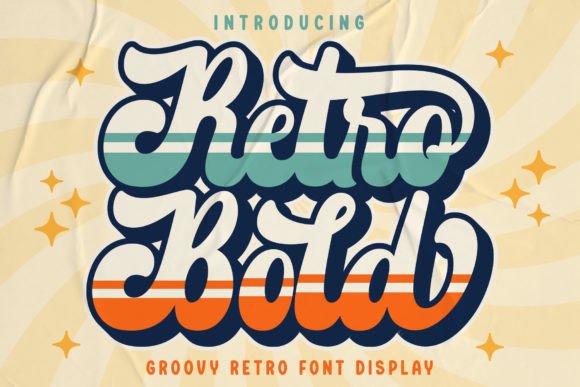
Finding a typeface that feels both authentic and versatile is a common challenge. Many fonts chase trends, but some possess a timeless quality that anchors a design with personality. Retro Bold is one of those typefaces. It’s a premium font that captures the warm, slightly imperfect charm of mid-century signage and hand-lettered advertisements. Think of the confident strokes on a classic diner menu, the bold title on a vintage movie poster, or the friendly script on a 1950s travel postcard. That’s the visual language Retro Bold speaks fluently.
This isn't a cold, digital perfection. It’s a handwritten font with intentional weight and a casual, assured flow. The characters have a subtle bounce and vary slightly in baseline, which is key to its authentic feel. The thick strokes ensure it holds its own as a display font, making it ideal for headlines, logos, and any place you need to make an immediate, friendly impression. Its personality is nostalgic yet approachable, making it a powerful tool for creating brand identity that connects on an emotional level.
Where Retro Bold Truly Shines
Understanding a font's strengths helps you deploy it effectively. Retro Bold excels in projects where warmth, character, and a touch of nostalgia are desired. Its versatility across mediums is a significant advantage.
Crafting Memorable Branding and Logo Design
For small businesses, boutiques, cafes, and artisan brands, a logo needs to tell a story quickly. Retro Bold is superb for logo design, especially for brands that want to evoke craftsmanship, heritage, or a relaxed, friendly vibe. Imagine it on a coffee shop's window, a brewery's tap handle, or a boutique's shopping bag. It instantly sets a mood. Paired with a clean sans serif font for body text, it creates a balanced and professional font pairing that feels both distinctive and readable.
Enhancing Marketing and Social Media Graphics
In the crowded space of digital marketing, grabbing attention is everything. As a creative font, Retro Bold makes social media graphics pop. It’s perfect for Instagram story highlights, Facebook ad headlines, and Pinterest pins promoting sales, events, or new products. The font’s inherent energy can boost engagement, making your message feel more personal and less corporate. For packaging design, it can add a handmade, premium feel to labels for everything from artisanal foods to beauty products.
Elevating Editorial and Invitation Design
The font’s character shines in print applications. For editorial design in magazines or blogs, it can create striking pull quotes or section headers that draw the reader's eye. It’s a natural fit for wedding suites, party invitations, and stationery, where a personal, celebratory tone is essential. The elegant swashes and alternate glyphs, accessible because the font is PUA encoded, allow you to add unique flourishes to names and titles, making each piece feel custom-crafted.
Practical Guidance for Using Retro Bold
Choosing a font is just the first step. Using it well is what separates good design from great. Here’s how to get the most out of Retro Bold in your projects.
Evaluating Project Fit and Readability
First, consider your project’s core message. Does it call for warmth, nostalgia, or a handmade quality? If yes, Retro Bold is a strong candidate. However, its bold, decorative nature means it’s primarily a display font. Avoid using it for long blocks of body copy; that’s the job of a legible serif font or sans serif font. Use Retro Bold for headlines, subheads, and call-outs to establish visual hierarchy and guide the reader’s eye. Always test its readability at the intended size, especially for web design where screen resolution varies.
Mastering Font Pairings and Consistency
A great design system relies on a limited, harmonious set of fonts. Retro Bold pairs beautifully with neutral typefaces. For a classic, editorial look, try it with a simple serif font like Georgia or a modern sans serif like Lato or Open Sans. The contrast allows Retro Bold to stand out without competing. For brand identity work, define clear rules: use Retro Bold for the primary logo and all major headlines, while a secondary font handles all other text. This builds consistency and professionalism across all touchpoints, from your website to your business cards.
Leveraging All the Design Assets
A major benefit of this commercial font is its extensive character set. Because it is PUA encoded, you can easily access all the stylistic alternates, swashes, and ligatures in any design software. Don’t overlook these! The alternate 'a' or 'g' might better suit your logo. A swash on a capital letter can turn a simple word into a stunning headline for a poster or packaging design. Exploring these options allows you to customize the font’s look, ensuring your design feels unique and fully realized. Review the font’s specimen sheet to see all the included styles and possibilities.
Retro Bold is more than just a vintage-style typeface; it’s a versatile design asset that can inject personality and warmth into a wide range of projects. By understanding its visual language and applying it thoughtfully, you can create designs that are not only beautiful but also strategically effective, fostering better audience connection and stronger brand recognition. It’s a valuable tool for any designer or creator looking to add that special, authentic retro touch.