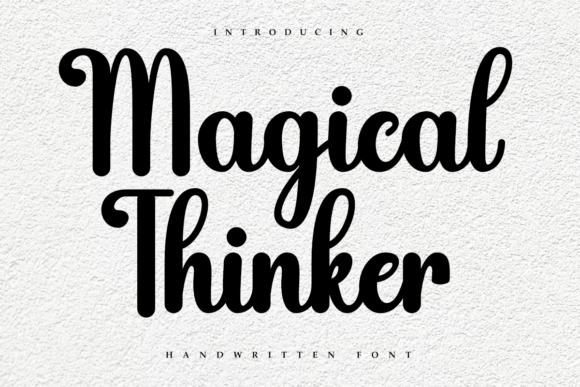
Magical Thinker: A Sweet Cursive for Authentic Design
There is a specific kind of warmth that only a handwritten font can bring to a project. It bridges the gap between the digital screen and the human touch, offering a sense of intimacy that rigid, geometric typefaces often miss. Magical Thinker is a prime example of this phenomenon. It is not just a collection of letters; it is a flowing, sweet cursive script that carries a distinct personality. For designers, entrepreneurs, and content creators, finding a typeface that feels both relaxed and elegant is a significant win. This font manages to capture that balance, making it a versatile asset in the modern typography landscape.
Unlike the heavy, industrial sans serif fonts used for corporate data, Magical Thinker feels personal. It mimics the natural flow of a pen on paper, creating a rhythm that guides the eye gently across the page. However, to use a script font effectively, one must understand its nuances. It is a tool for connection, but like any tool, it requires the right context. Whether you are building a brand identity from scratch or refreshing your social media graphics, understanding the capabilities of a font like Magical Thinker is the first step toward creating designs that truly resonate with your audience.
The Visual Soul of the Typeface
When you look at Magical Thinker, the first thing you notice is the movement. The letters do not sit statically; they dance. The baseline is slightly irregular, mimicking the natural imperfections of handwriting, which adds an organic quality to the design. The letterforms feature smooth, connected strokes that flow into one another, creating a cohesive visual sentence. It possesses a "sweet" quality—meaning the curves are soft rather than aggressive, and the spacing feels open and airy. This makes it an approachable script font that doesn't feel stuffy or overly formal.
The personality of this typeface is undeniably romantic and joyful. It carries a lightness that suggests creativity, optimism, and warmth. In the world of modern typography, we often see a split between ultra-clean minimalism and expressive hand-lettering. Magical Thinker sits firmly in the camp of expressive lettering, but it maintains enough structure to be legible. It avoids the chaotic scratchiness of some grunge fonts, opting instead for a polished, professional look that still retains its handmade charm. This makes it a premium font choice for projects that need to feel expensive yet accessible.
Strategic Applications: Where Magical Thinker Shines
Understanding a font’s visual style is one thing; knowing where to deploy it is another. Magical Thinker is a display font at its heart, meaning it is designed to be used in larger sizes where its details can be appreciated. It is not intended for body copy in a textbook, but it is a powerhouse for headlines, logos, and focal points.
Branding and Logo Design
For logo design, particularly for brands in the lifestyle, wellness, beauty, or artisan sectors, this typeface is a strong contender. A brand identity built around Magical Thinker immediately signals approachability and creativity. Imagine a boutique bakery, a handmade jewelry line, or a yoga studio using this font for their wordmark. It tells the customer, "We are human, we care about aesthetics, and we offer a personal touch." However, brand strategists should be careful with scalability. A script font logo needs to be legible when shrunk down to a favicon or a social media profile picture. Testing the font at various sizes is a crucial step in the branding process.
Editorial and Publishing
In editorial design, Magical Thinker works beautifully for pull quotes, chapter titles, or magazine headers. It provides a necessary contrast to the utilitarian nature of body text fonts. For publishing, especially in genres like lifestyle magazines, cookbooks, or fiction covers, it adds an emotional hook. It can guide the reader’s mood before they even read the first sentence of the story.
Packaging and Product Design
Packaging design is another area where this font excels. On a shelf crowded with loud graphics and bold sans serifs, a sweet, flowing cursive can be a breath of fresh air. It is perfect for product descriptions on labels, "Thank You" notes inside shipping boxes, or the main branding on artisanal goods. It elevates the unboxing experience, turning a simple transaction into a memorable moment.
The Art of Pairing and Hierarchy
One of the most common mistakes in design is using a single font for everything. While Magical Thinker has a strong personality, it needs support. This is where font pairing becomes essential. To create a strong visual hierarchy, you need a secondary typeface that contrasts with the script style without clashing with it.
A classic and effective strategy is to pair this handwritten font with a clean sans serif font. The geometric simplicity of a sans serif provides a solid foundation that allows the decorative nature of Magical Thinker to pop. For example, using Magical Thinker for the headline "Summer Collection" and a font like Montserrat or Lato for the sub-details creates a balanced layout.
Alternatively, for a more vintage or sophisticated look, pairing it with a serif font can work well, provided the serif is not too ornate. The goal is contrast. If the supporting text is too busy, the design becomes cluttered and loses readability. By using Magical Thinker as the accent and a neutral typeface as the workhorse, you maintain professionalism while keeping the design engaging. This approach ensures that your marketing materials look cohesive and intentional.
Practical Guidance for Implementation
Adopting a new font into your workflow requires more than just installation. Here is practical advice for getting the most out of this creative font.
Readability and Legibility
Because Magical Thinker is a script font, legibility can vary based on the background and size. Avoid placing it over busy photographic backgrounds unless you add a solid color overlay or a drop shadow to separate the text. Ensure there is enough contrast between the font color and the background. For web design, test it on mobile devices. Handwritten fonts can sometimes render poorly on low-resolution screens, so checking the anti-aliasing settings is wise.
Commercial Licensing
For entrepreneurs and business owners, the legal aspect of typography is non-negotiable. Magical Thinker is a commercial font, which means you are paying for the legal right to use it in business assets. Always review the license included with your purchase. Most standard licenses cover logo design, social media graphics, and printed marketing materials. However, if you plan to use it in a mobile app or a large-scale broadcasting campaign, you may need an extended license. Respecting the licensing ensures that designers are compensated for their work in creating these design assets.
Evaluating Project Fit
Before committing to Magical Thinker for a major project, ask yourself: Does this font match the voice of the brand? If you are designing for a law firm or a heavy industrial manufacturer, this font is likely the wrong choice. It is too casual and whimsical for serious, high-stakes industries. However, if the project involves fashion designs, lookbooks, or lifestyle content creation, it is an excellent fit. It speaks the language of creativity and personal connection.
Conclusion
Magical Thinker is more than just a premium font; it is a design solution for those seeking to inject warmth and humanity into their work. In a digital world that can often feel cold and impersonal, a typeface that mimics the joy of handwriting is a powerful tool. By understanding its strengths in brand identity, pairing it effectively with neutral typefaces, and applying it to the right contexts—from greeting cards to high-end packaging design—you can elevate your projects significantly. It reminds us that design is ultimately about communication, and sometimes, the best way to speak to someone is with a personal, handwritten touch.