Beautyline: Infusing Warmth and Character Into Modern Design
In a digital landscape often dominated by stark sans serif fonts and rigid grid layouts, there is a distinct need for typography that feels genuinely human. We are talking about lettering that captures the fluidity of a pen on paper, bringing an organic touch to branding and content. This is where Beautyline enters the conversation. It is not merely a typeface; it is a creative asset designed to inject personality into projects that demand a personal connection. Whether you are a small business owner crafting a boutique label or a content creator designing social media templates, understanding how to leverage a handwritten font like this can fundamentally change how your audience perceives your work.
The Anatomy of a Timeless Script
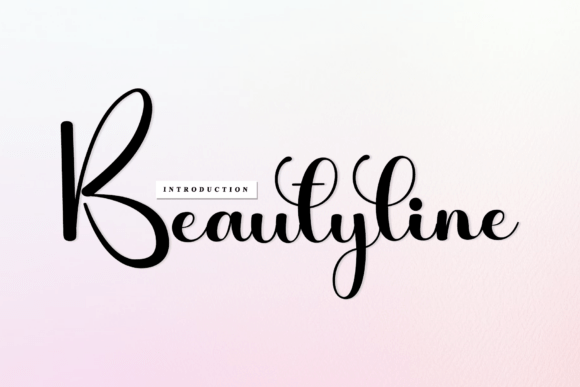
When we look at Beautyline, the first thing we notice is its balance. Many script fonts struggle with legibility, sacrificing clarity for the sake of artistic flair. Beautyline, however, manages to be both expressive and readable. It falls into the category of a premium font because of the attention paid to its curves and connections. The strokes have a natural flow, mimicking the slight imperfections and varying line weights of actual handwriting. This gives it a warmth that a computer-generated vector simply cannot replicate.
As a script font, it carries a distinct personality. It feels romantic and nostalgic, yet it avoids looking dated. This "timeless" quality is crucial for brand identity. If you choose a font that is too trendy, your logo or website might look outdated within a year. Beautyline offers a classic elegance that withstands shifting design trends. It works beautifully as a display font, catching the eye immediately when used for headlines or hero text, but it retains enough structure to be used in shorter, impactful sentences where you want to evoke emotion.
Practical Applications: From Logos to Packaging
The versatility of a creative font like Beautyline is one of its strongest selling points. It is not limited to a single niche. In the realm of logo design, it serves as an excellent choice for brands that want to appear approachable, artisanal, or luxurious. Imagine a bakery, a wedding planner, or a high-end cosmetics line. Using Beautyline for the wordmark instantly suggests care, quality, and a personal touch. It tells the customer that there is a human behind the brand, not just a corporation.
Beyond logos, the font shines in packaging design. If you are designing labels for jars, boxes, or shopping bags, Beautyline can help your product stand out on a crowded shelf. It contrasts beautifully against clean, minimalist backgrounds. For editorial design, such as magazine headers or book titles, it adds a layer of sophistication and intimacy. It is also a fantastic tool for social media graphics. In a fast-scrolling environment, a handwritten headline can stop the thumb. It feels personal, almost like a note from a friend, which is highly effective for engagement.
Pairing and Hierarchy
One of the most common mistakes designers make with a handwritten font is using it for everything. Because Beautyline is so detailed, it works best when contrasted with something simpler. This is where font pairing becomes essential. To maintain readability, avoid pairing it with another script font or a highly decorative serif font.
Instead, try pairing Beautyline with a clean sans serif font. The geometric simplicity of a sans serif acts as a perfect neutral backdrop, allowing the script to take center stage without creating visual noise. For example, use Beautyline for your main headline to grab attention, and then use a sans serif for subheadings and body copy. This creates a clear visual hierarchy, guiding the reader’s eye naturally from the emotive headline to the informative text. This approach is widely used in web design and print layouts to balance personality with functionality.
Evaluating Fit and Readability
While Beautyline is a versatile tool, it requires a thoughtful approach. As a display font, it is not intended for long blocks of body copy. Reading paragraphs in a handwritten style can strain the eyes, particularly on digital screens. Always prioritize your audience's comfort. Use it for headlines, callouts, pull quotes, or short phrases where you want to make a statement.
When evaluating if this typeface fits your project, consider the context. If you are working on a legal document or a technical manual, a handwritten style might undermine the seriousness of the content. However, for lifestyle blogs, fashion brands, greeting cards, or food packaging, it is an ideal match. It bridges the gap between modern typography and traditional craftsmanship.
Technical Considerations and Licensing
Before incorporating any design assets into a commercial project, it is vital to understand the technical specifications. Beautyline is a commercial font, meaning it comes with a license that dictates how you can use it. Always review the license agreement, especially if you are using the font for client work, merchandise, or digital products for sale. Most licenses cover standard use, but extended licenses may be required for specific applications like large-scale print runs or software embedding.
Additionally, check the character set. A high-quality premium font often includes alternates, ligatures, and swashes. These are variations of letters that help avoid repetition and improve the flow of the text. For a font like Beautyline, these extras are invaluable. They allow you to customize the look of the text so that two instances of the letter "e" don't look identical, which is a tell-tale sign of digital typography. Using these features requires a bit of extra time in your design software, but the result is a much more organic and professional-looking final product.
Ultimately, Beautyline is more than just a collection of vectors; it is a bridge between the brand and the consumer. It offers a way to communicate warmth, authenticity, and style in a way that rigid fonts often cannot. By using it strategically for logo design, packaging, and key visual touchpoints, you can create a cohesive and memorable experience for your audience.