Wishline: A Handwritten Font for Modern, Expressive Design
Understanding the Visual Character of Wishline
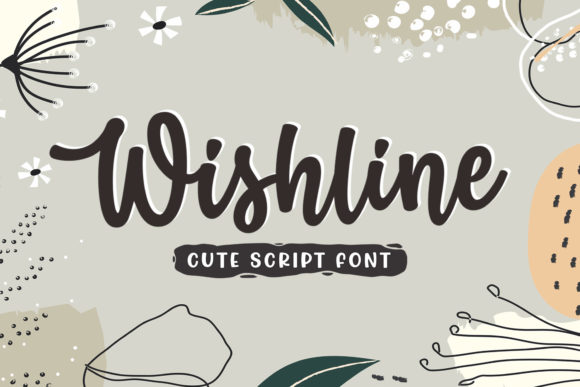
Wishline is a cute and quirky handwritten font that immediately captures attention with its friendly, approachable personality. Unlike rigid, formal script fonts, Wishline embraces natural imperfections—slightly uneven baselines, playful letter connections, and a fluid rhythm that mimics authentic penmanship. This isn't a font trying to be perfect; it's designed to feel personal, warm, and genuinely human.
The visual characteristics of Wishline make it stand out in the crowded landscape of premium fonts. Each letterform carries a sense of movement, with varying stroke weights that add depth without overwhelming the eye. The quirky details—a slightly exaggerated loop on a 'g' or a whimsical curl on a 'y'—give it character without sacrificing legibility. This balance is what makes Wishline such a versatile creative font for designers who want personality without sacrificing function.
What makes this typeface particularly appealing is its ability to feel both casual and intentional. It doesn't look like a lazy approximation of handwriting; instead, it reads as a carefully crafted design asset that brings warmth to any project. Whether you're working on wedding invitations or social media graphics, Wishline adds that human touch that resonates with audiences across demographics.
Where Wishline Shines Across Creative Projects
The practical applications for a handwritten font like Wishline span far more than most designers initially consider. Yes, it's a natural fit for wedding invitations and stationery art—that's almost expected. But its versatility extends into professional territories where you might not immediately think to use a script font.
Wedding and Event Design: This is where Wishline truly excels. The font's romantic yet approachable style works beautifully for save-the-dates, ceremony programs, menu cards, and thank-you notes. It pairs elegantly with clean serif fonts for formal invitations or with simple sans serif fonts for more contemporary celebrations.
Brand Identity and Logo Design: Small business owners and entrepreneurs increasingly seek typography that feels authentic rather than corporate. Wishline works wonderfully for bakeries, boutique shops, lifestyle brands, creative agencies, and personal brands that want to convey warmth and approachability. The font helps establish a brand identity that feels relatable without looking unprofessional.
Social Media and Digital Marketing: Content creators and marketers understand that social media graphics need to stop the scroll. Wishline's eye-catching personality makes it effective for Instagram stories, quote graphics, promotional banners, and email headers. It adds visual interest to digital content without competing with photography or illustrations.
Packaging and Editorial Design: Product packaging for artisanal goods, cosmetics, food items, and specialty products benefits enormously from handwritten typography. Wishline brings that handcrafted quality that suggests care and attention. In editorial design, it works beautifully for pull quotes, chapter headings, magazine features, and lifestyle publications targeting audiences who appreciate authenticity.
Web Design and Digital Applications: Modern typography trends embrace contrast—pairing a distinctive display font with functional body text. Wishline serves as an excellent accent font for website headers, call-to-action sections, blog post titles, and landing page elements. It draws attention exactly where you need it while allowing clean sans serif or serif fonts to handle longer content blocks.
How Typography Choices Shape Audience Perception
The fonts you select communicate messages before anyone reads a single word. This is fundamental to understanding why choosing the right typeface matters so much for your projects. Wishline, as a handwritten font, immediately signals warmth, creativity, and personal connection. These associations aren't arbitrary—they're rooted in how people process visual information and form impressions.
Readability and Visual Hierarchy: One common concern with script and handwritten fonts is legibility, especially at smaller sizes. Wishline addresses this thoughtfully. The letterforms maintain enough clarity for headlines, subheadings, and short text passages. However, like most display fonts, it's not designed for body copy or lengthy paragraphs. Understanding this distinction helps you use Wishline strategically—reserving it for high-impact moments where its personality enhances rather than hinders comprehension.
Brand Recognition and Consistency: When you integrate Wishline into your brand identity, consistency becomes essential. Using the same font across your logo, website, social media graphics, printed materials, and packaging creates visual cohesion that audiences recognize over time. This recognition builds trust and makes your brand more memorable. The key is establishing clear guidelines for when and how to use the font throughout your design system.
Professional Polish: There's a difference between casual and careless. Wishline strikes that important balance—it feels approachable without looking sloppy. This matters for small business owners and entrepreneurs who want their marketing materials to reflect quality and intentionality. A well-chosen handwritten font like Wishline can elevate a design from amateur to artisan, signaling that you care about the details.
Practical Guidance for Working with Wishline
Before committing to any font for a project, evaluate whether it genuinely fits your goals. Consider your target audience, the medium you're designing for, and the emotional tone you want to establish. Wishline works best when your project calls for warmth, personality, and a human touch. If you're designing legal documents, technical manuals, or highly formal corporate communications, a different typeface would serve you better.
Testing Font Pairings: Font pairing is where design becomes both art and strategy. Wishline pairs beautifully with clean sans serif fonts like Montserrat, Lato, or Open Sans for contemporary, balanced compositions. For more traditional or elegant projects, try combining it with refined serif fonts such as Playfair Display, Cormorant, or EB Garamond. The contrast between Wishline's organic character and the structured geometry of these companions creates visual interest and improves readability.
Reviewing Included Styles: Premium fonts often include multiple weights, alternates, ligatures, and stylistic variations. Take time to explore everything Wishline offers before starting your design. These additional characters can help you customize the typography to better suit specific words, create more natural-looking connections between letters, or add subtle variety across repeated elements.
Commercial Licensing Considerations: If you're using Wishline for client work, merchandise, products for sale, or any commercial application, verify that your license covers these uses. Most reputable font foundries offer clear licensing terms, but it's your responsibility to ensure compliance. This protects both you and the type designer's creative work.
Readability Testing: Always test your typography choices in context. View Wishline at the actual size it will appear—on screen, in print, on mobile devices. Check how it renders across different browsers and printers. Ask colleagues or friends to read your designs and provide honest feedback about clarity. This practical step catches issues that might not be obvious during the design process.
Ultimately, Wishline is a creative font that rewards thoughtful application. Used with intention, it transforms ordinary designs into memorable visual experiences that connect with audiences on a genuinely human level. Whether you're a seasoned designer or a small business owner handling your own marketing, this typeface offers a reliable way to bring personality and warmth to your work without compromising on quality or professionalism.