Good Night: The Artisan Script Font for Modern Branding
When you’re building a brand that feels personal, handcrafted, or upscale, the typography you choose does a lot of heavy lifting before anyone reads a single word. It sets a mood, tells a story, and creates an immediate emotional connection. This is where a typeface like Good Night enters the conversation. It’s not just a script font; it’s a piece of visual communication that carries the warmth and rhythm of hand-lettering into a versatile digital format. For designers, entrepreneurs, and creators, understanding how to use a font like this effectively can be the difference between a project that feels generic and one that feels genuinely special.
Understanding the Good Night Typeface
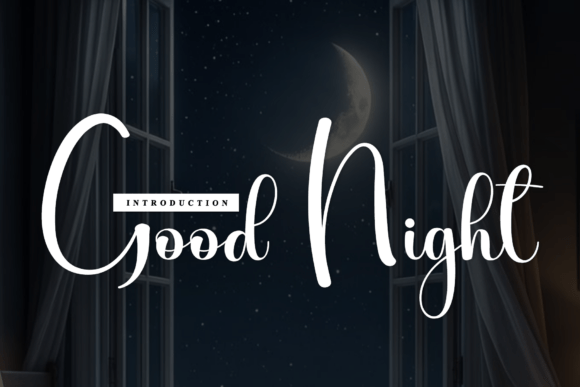
Good Night is a sophisticated, rhythmic script font that masterfully balances calligraphic tradition with a modern, organic aesthetic. Its defining characteristic is the use of sweeping, looping ascenders—the parts of letters like ‘b,’ ‘d,’ and ‘h’ that rise above the main body. These aren’t just decorative flourishes; they create a sense of movement and customized artistry, as if each word was penned by a skilled hand. The overall personality is warm, inviting, and slightly luxurious, making it a premier choice for projects where you want to convey artisanal quality and thoughtful design.
Unlike many handwritten fonts that can feel casual or even messy, Good Night maintains a clear structure and elegance. The letterforms are designed to connect smoothly, ensuring legibility even with its flowing style. This makes it a powerful display font—ideal for headlines, logos, and short bursts of text where impact and personality are paramount. It’s the kind of creative font that can anchor an entire visual identity, giving brands in food, lifestyle, and boutique markets a distinct and recognizable voice.
Where Good Night Truly Shines: Practical Applications
The true test of any premium font is its real-world application. Good Night finds its sweet spot in contexts where human touch and premium perception are key marketing assets. For artisanal food branding, think of the label on a small-batch jam, the logo for a neighborhood bakery, or the menu for a farm-to-table restaurant. The font’s organic rhythm mirrors the care put into the product itself. In boutique product packaging, it elevates items like handmade soaps, specialty teas, or curated gift boxes, suggesting a story behind the brand.
Its use extends beyond physical products. In upscale lifestyle marketing, Good Night can be used for social media graphics, website hero sections, or email headers for brands in wellness, home decor, or fashion. It brings a human element to digital spaces that often feel sterile. For creative editorial titles in magazines, blogs, or book covers, it offers a break from standard serif and sans serif fonts, adding immediate visual interest and a sense of curated style. The key is to use it strategically—as a headline or accent font—rather than for long paragraphs of body copy, where a more neutral typeface would be better for sustained reading.
The Strategic Impact on Brand Perception and Readability
Choosing a typeface like Good Night is a strategic decision that influences several aspects of a project’s success. First, it directly affects visual hierarchy. Its distinctive style naturally draws the eye, making it perfect for establishing a clear focal point in your design, whether it’s on a webpage, a poster, or a product label. This helps guide the viewer’s attention exactly where you want it.
Secondly, it profoundly impacts brand perception. A script font of this caliber communicates specific values: craftsmanship, attention to detail, and a personal touch. It can make a small business feel more established and a larger brand feel more approachable. Consistency in using such a font across your brand identity—from your logo to your packaging to your website—builds strong recognition. Customers begin to associate that elegant, looping script with your quality and style.
However, readability must always be considered. While Good Night is designed for clarity in display settings, it’s not intended for body text. For longer copy, pair it with a clean, legible serif font or a simple sans serif font. This creates a harmonious font pairing where the script adds flair and the companion font ensures comfortable reading. Always test your pairings at various sizes and on different screens to ensure the message is communicated without strain.
A Practical Guide to Using Good Night Effectively
If you’re considering Good Night for a project, here’s a practical checklist to ensure you get the most out of this design asset. First, evaluate project fit. Does your brand or project aim to feel artisanal, elegant, or personally crafted? If the answer is yes, it’s likely a strong candidate. If you’re designing for a tech startup or a government document, a different typeface would be more appropriate.
Next, review the included styles. A good commercial font like this often comes with multiple weights or stylistic alternates. Check what’s included—does it have a bold version? Are there different letter variations for common characters? These features give you flexibility to fine-tune your designs. Then, test font pairings rigorously. Try it with a few different body fonts. A classic combination might be Good Night with a timeless serif like Garamond for a luxurious feel, or with a geometric sans serif like Montserrat for a more modern contrast.
Finally, understand the licensing. Since Good Night is a premium font, ensure you purchase the correct license for your use—whether it’s for a single client project, multiple brands, or for use in digital products like templates. Proper licensing is not just a legal necessity; it’s part of respecting the craft of the type designers who created it. When used thoughtfully and legally, Good Night becomes more than just a font; it becomes a trusted part of your creative toolkit, helping you build brands that resonate on a human level.